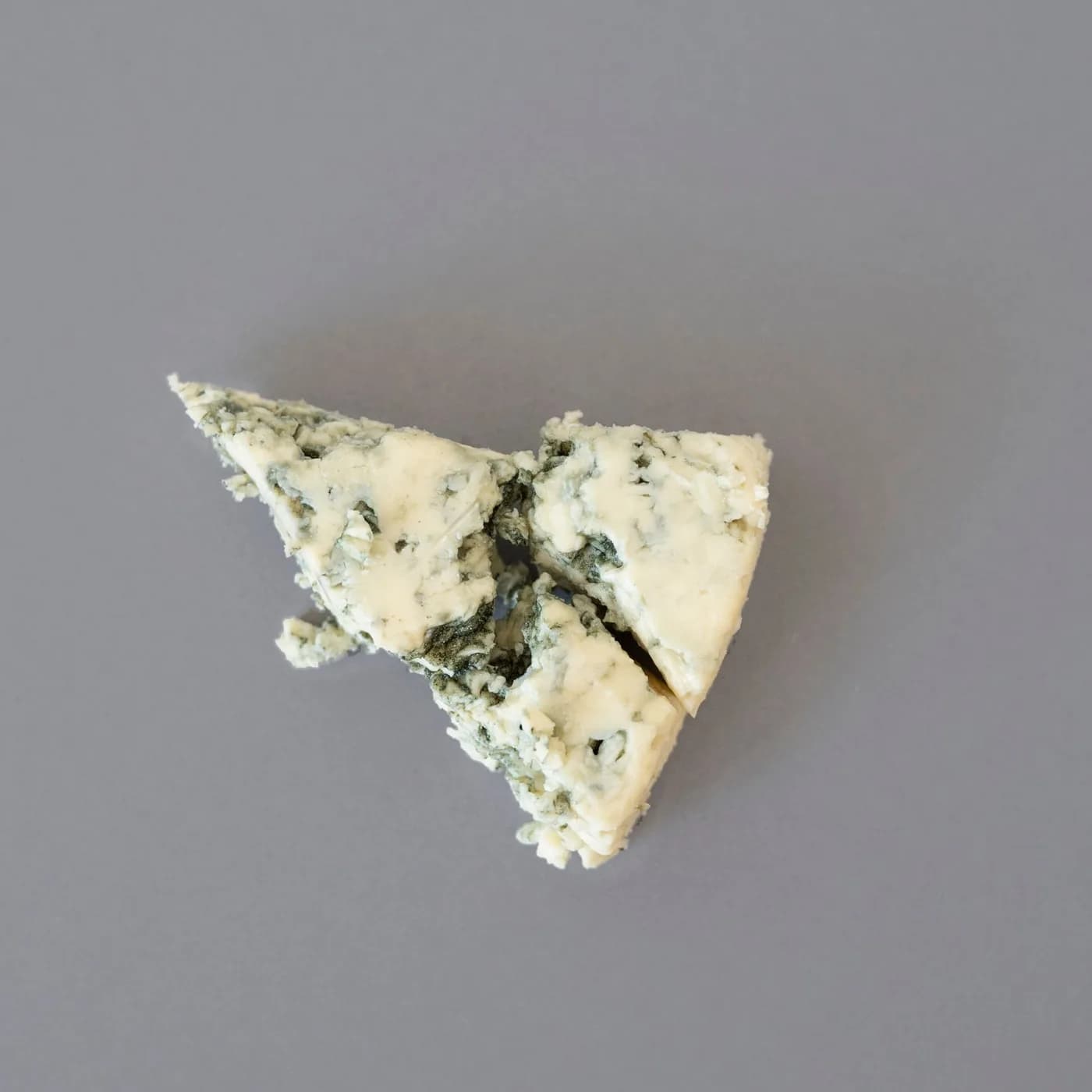
How to store cheese in the fridge without drying it out
· Queijo & Cia Team
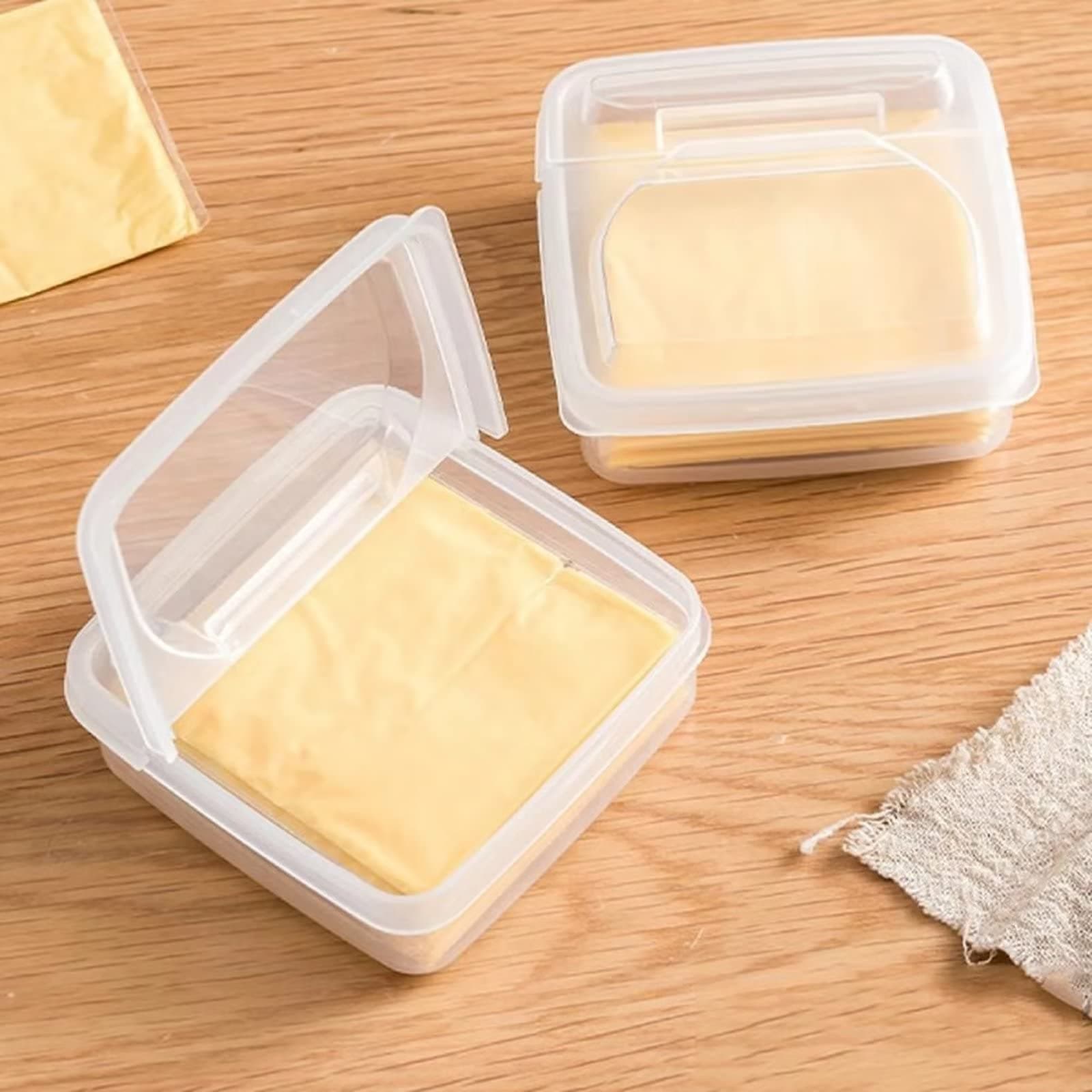
You buy a good cheese, use half, and store the rest. A week later, it's dried out at the edges or has a strange dampness on the surface. It happens to everyone — and it's almost always because of the wrapping.
The most common mistake: only plastic wrap
Cheese is alive and needs to breathe. Wrapped only in plastic, it gets stuffy: the moisture it releases has nowhere to go, and that becomes the perfect environment for unwanted mold.
The opposite mistake: only paper
Paper alone lets it breathe too much. In two or three days the cheese loses water, hardens at the edges, and the flavor concentrates in a way that isn't good.
The right way: paper first, then plastic
Wrap it first in parchment paper and only then in plastic or a sealed container. The paper regulates moisture, and the plastic keeps the cheese from drying out or picking up other foods' smells.
dica-conservar-comparativoSide-by-side comparison photo: on the left, cheese dried out from plastic only; on the right, intact cheese wrapped in paper + plastic.
alt: Comparison between poorly stored and well stored cheese
Where to store it
In the coldest part of the fridge — usually the middle or bottom shelf, never the door. The door has the widest temperature swings, and cheese hates fluctuation.
What about here in Santarém?
Heat and high humidity shorten the life of any cheese once it's opened. Two things help a lot:
- Take out of the fridge only the portion you'll use. Cheese that goes up and down in temperature spoils faster.
- Change the paper every 2 or 3 days. It takes 10 seconds and makes a real difference.
How long it lasts, once opened
| Type | Approximate duration |
|---|---|
| Fresh (minas, ricotta) | 3 to 5 days |
| Semi-hard (prato, mozzarella) | 7 to 10 days |
| Hard (parmesan) | 3 to 4 weeks |
| Blue (gorgonzola) | 7 to 10 days |
These are reference numbers for a well-regulated fridge. Trust the smell and the look more than the calendar.
Can you freeze it?
You can, but not all of it. Hard and semi-hard cheeses hold up well, especially grated or already sliced. Fresh and creamy ones don't — they thaw with a grainy texture.
Still have a question about a specific cheese? Send us a message. We actually answer — no bots.